
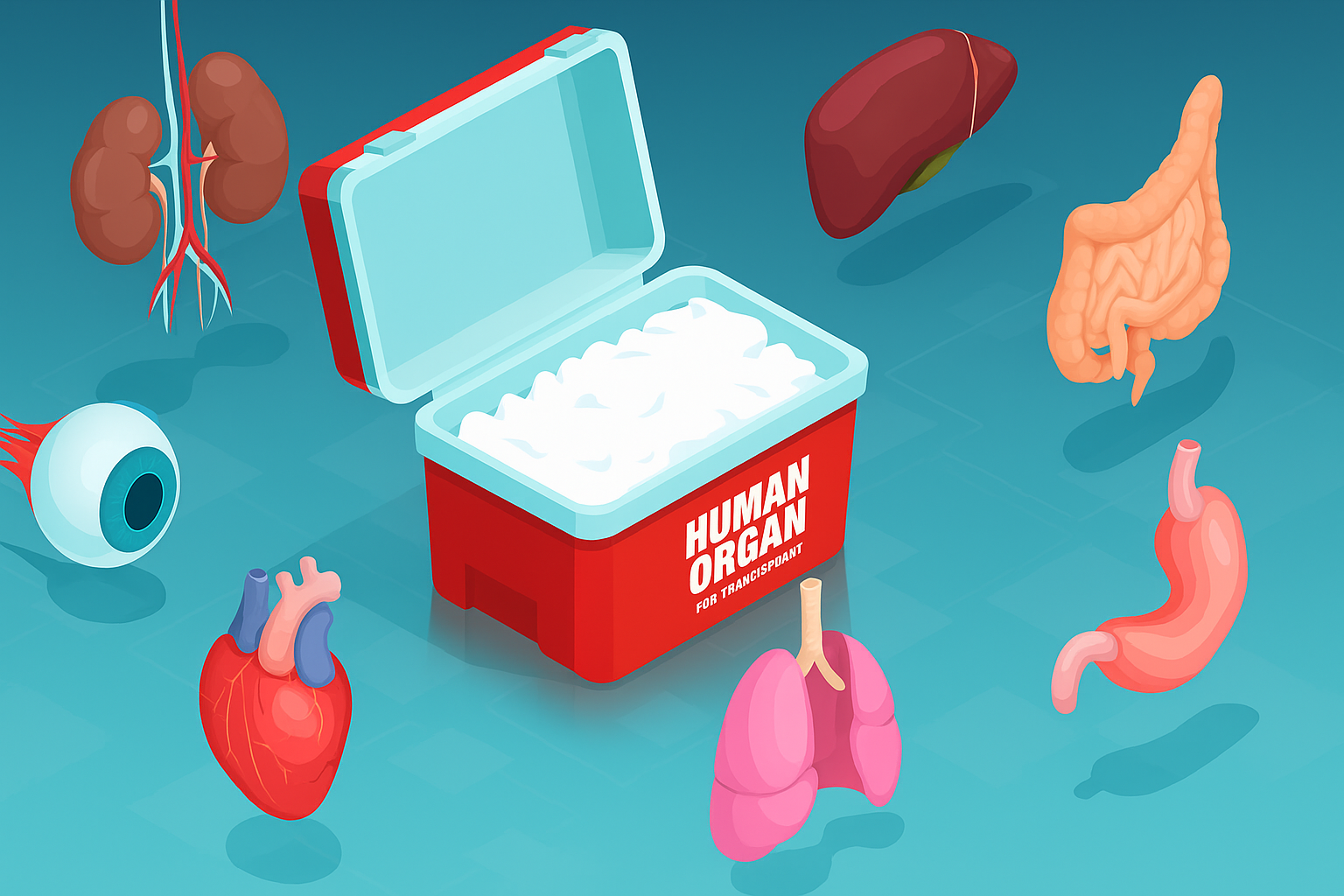
Stages of Cadaver Donation
- Declaration of brain death
- Meeting between the organ transplant coordinator and the donor’s relatives
- Informing the National Coordination System and determining emergency cases
- Planning of transplant teams, donor operation, and organ sharing after donation approval
- Harvesting of organs from cadaveric donors
- Transportation and transplantation of organs to recipients by authorized transplant centers
Organ Allocation and Ethical Principles
All donated organs are allocated to the most suitable recipients through the National Coordination System, based on criteria such as medical urgency and tissue compatibility. This system ensures that organ distribution is conducted transparently and fairly.
During the allocation process, no discrimination is made between transplant centers or patients on the waiting list. Factors such as wealth, race, gender, or social status play no role in determining who receives an organ. The only criteria considered are medical necessity and biological compatibility, ensuring that every organ reaches the recipient most in need and most likely to benefit from the transplant.