
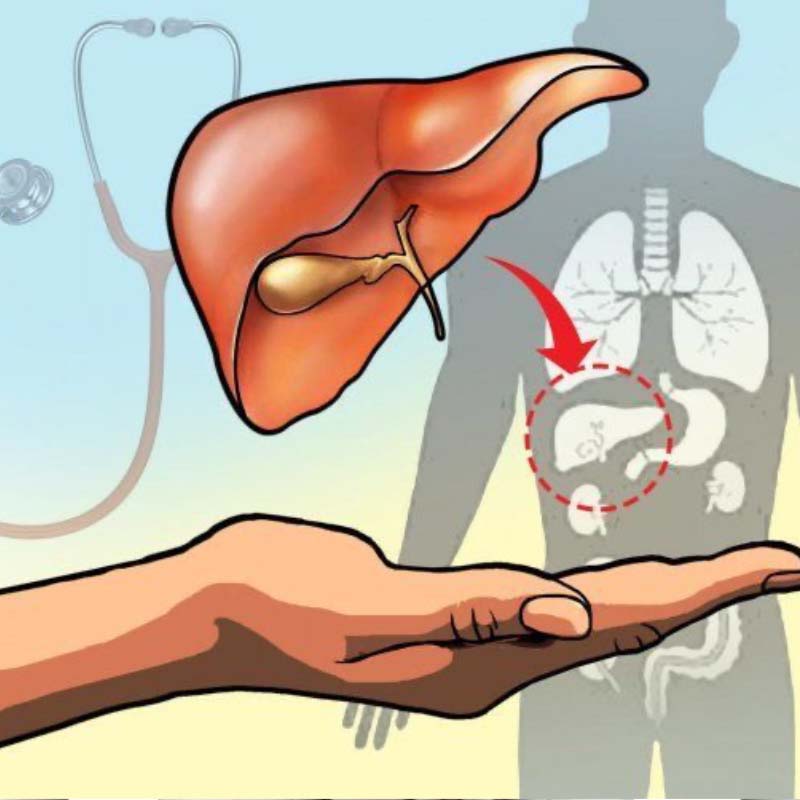
Treatment of Liver Failure
In cases where liver failure is suspected, various laboratory tests are first performed to evaluate the functions of the liver. In addition to laboratory tests, when deemed necessary by the specialist physician, advanced tests such as ultrasonography, computerized tomography (CT) and magnetic resonance imaging (MRI) are performed to examine the structure of the liver. In some cases, a biopsy of the liver may also be required to confirm the diagnosis.
It would be more accurate to classify the treatment of liver failure under two headings. In cases called acute liver failure, if a certain threshold has not been exceeded, that is, if more than a certain part of the liver has not been damaged, the condition can be brought under control with intensive medical support, time can be gained for the liver to recover and even complete recovery can be achieved. In cases of chronic liver failure, that is, in cases where the damage is no longer expected to reverse and in cases of acute liver failure where it does not heal, the only successful treatment method is liver transplantation.